
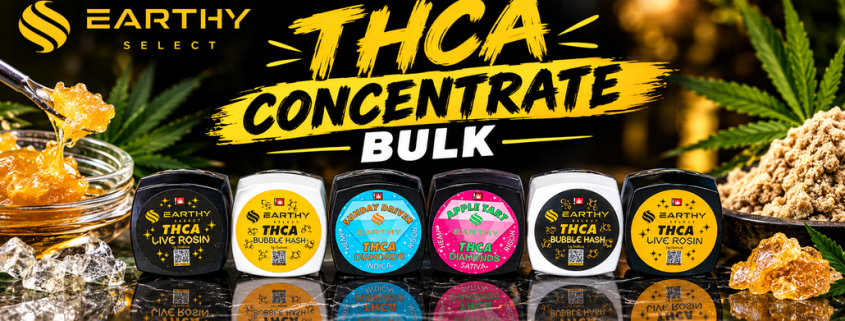
Summary: Live rosin diamonds are changing how enthusiasts view premium cannabis concentrates. These extracts focus on preserving natural flavors, potency, and quality through careful processing. Businesses exploring THCa concentrate bulk options often look for consistency and reliable sourcing. Understanding live rosin diamonds helps buyers recognize their unique characteristics, production methods, and growing demand across the concentrate market.
Cannabis concentrates continue to evolve as extraction methods improve and consumers look for refined product experiences. Among the many concentrate options available, certain products stand out because of their texture, purity, and preservation of natural compounds. Live rosin diamonds represent a solventless concentrate category that focuses on maintaining the plant’s original characteristics while creating a highly refined extract.
Retailers and distributors also explore THCa concentrate bulk solutions to meet increasing interest in premium concentrate products. Understanding how these concentrates are created and why they attract attention helps businesses and consumers make informed decisions in a competitive market.
What Are Live Rosin Diamonds?
Live rosin diamonds are one of the less common varieties of cannabis concentrates that are made using a process that keeps the cannabinoids and terpenes from the material used, which is still alive when the material is frozen. This is a different method of extraction with chemical solvents and extracts valuable compounds from plants with heat and pressure.
The crystal structures that form during the creation are referred to as “diamonds.” The compounds in these structures tend to be high in cannabinoids, and the rest of the product is terpene-rich, which provides the flavor and aroma. This blend forms a concentrate celebrated for its feel, look, and overall shape.
The production process starts after the fresh harvests, where the cannabis is frozen right after harvesting. This will allow the certain preservation of sensitive compounds that can be destroyed by traditional methods of drying and curing.
How Are Live Rosin Diamonds Made?
Proper care needs to be taken throughout the way to creating live rosin diamonds. Just like fresh produce, especially the flowering tops with their specific flavor and essence, fresh cannabis is first frozen to preserve its natural profile. They are then frozen and then separated from plant material by gently pouring ice water onto them.
The gathered trichomes are turned into hash that producers will undergo additional processing with controlled heat and pressure. This will result in a concentrated extract without the use of solvents. With time the extract crystallizes to create the diamond appearance, while the terpenes form a liquid that can be readily separated and be sold in its liquid form. Since then, the extract accumulates into crystals, which produce the diamond look, and the terpenes become liquid and can be easily separated and sold as a liquid.
Temperature is a key factor all the way from production. Changes to the finish can have an impact on texture, terpene escape, and overall finish. Agile growers look at staying consistent and on preserving the natural attributes of the cannabis plant.
Why Are Live Rosin Diamonds Becoming Popular?
It is not surprising to witness a particular trend in the use of high-quality cannabis concentrates, as there are several factors responsible for this rise of interest. Products with distinctive qualities that consumers are seeking that are different from typical products are growing. Those who prefer natural processing methods will prefer the solventless extraction method.
One of these leading reasons was their popularity in preserving the flavor of food. These compounds are significant to the flavor and aroma of cannabis, and appropriate extraction processes ensure the preservation of these compounds. Many ‘concentrate fans’ enjoy a more natural relation to the plant profile with products.
The visual appeal also attracts attention. The crystal-like structure of these concentrates creates a distinctive appearance that separates them from other extract categories.
The Role of Quality and Production Methods
The type of extraction, processing, storage, and usage has an impact on the quality of the product. It is important that the production process from cultivation until the final packaging be observed with good standards in order to produce top-quality concentrates.
Producers will have to choose appropriate cannabis genetics possessing robust cannabinoid and terpene content material. Freshness also is of crucial importance due to the freezing process, which helps in the conservation of sensitive substances.
Proper storage helps to preserve and maintain product stability after production. Can be impacted by heat, light, or conditions. Before making the decision on purchasing a business concentration, it’s important to do a business sourcing evaluation on production methods, testing information, and the trustworthiness of suppliers.
How Do Live Rosin Diamonds Compare with Other Concentrates?
Replacement concentrates will vary from each other in their attributes based on extraction. Some products leave the cannabinoids from the plant extracted with solvents, and others do not use solvents for the extraction.
A live rosin diamond is focused on retaining the natural physique of a new crop of cannabis. Other concentrates might focus on another desirable feature or features, like cannabis structure, manufacturing efficiency, or focus of cannabinoids.
It usually depends upon the preference of consumers and the objectives of the business. When choosing concentrated varieties, retailers will want to take into account factors like customer demand, product consistency, availability, and positioning of products in the market.
Why Are Businesses Exploring Bulk Concentrate Options?
Wholesale buyers often search for dependable concentrate sources to expand their product selections. Purchasing larger quantities allows businesses to plan inventory, maintain product availability, and serve customers looking for premium options.
Typical things buyers will consider when selecting suppliers include requirements for standards, production, packaging, and compliance. Having a trusted supply chain helps in ensuring the continuity of services provided and customer trust.
Trendy extracts still have an impact on the way retail stores plan their inventory. When products have unique characteristics, they can be useful in providing a range of products to meet consumer preferences.
Conclusion
The rising popularity of live rosin diamonds reflects changing preferences toward carefully produced cannabis concentrates that emphasize flavor, quality, and natural processing methods. Their unique crystalline structure, solventless extraction approach, and preserved terpene profiles make them an interesting option within the concentrate market.
Businesses considering premium inventory may explore options such as THCa concentrate bulk while evaluating quality standards, supplier practices, and customer demand. As the concentrate industry continues to grow, products like live rosin diamonds may continue gaining attention among consumers seeking distinctive experiences.
Working with trusted suppliers and understanding product details helps businesses make informed decisions. Explore premium concentrates with Earthy Select and discover quality you can trust.
Disclaimer: This content is for educational and informational purposes only. Cannabis laws and regulations vary by location, and readers should review local guidelines before purchasing or using cannabis-related products. Always consult applicable laws and follow responsible consumption practices. Earthy Select does not provide medical advice, and products should be used only as permitted under applicable regulations.
Frequently Asked Questions
What makes live rosin diamonds different from other concentrates?
These live rosin diamonds are distinguished by the fact that the producers make them during the extraction process without the use of solvents. They are dedicated to retaining the cannabinoids and terpenes of the fresh frozen cannabis, developing a distinctive texture and flavor profile.
Are live rosin diamonds made without solvents?
Yes, live rosin diamonds use mechanical extraction techniques involving heat and pressure instead of chemical solvents. This process helps maintain the natural characteristics of cannabis.
Why do consumers prefer premium cannabis concentrates?
Customers often seek out flavorful and textural concentrates, as well as those that are made a specific way. Premium concentrates tend to create a buzz due to their quality-oriented strategy.
What should businesses consider when sourcing concentrates in bulk?
Prior to selecting a bulk concentrate supplier, it is important for businesses to properly assess the supplier’s reliability, test data, production practices, storage methods, and consistency of products.
How does freezing cannabis help create live rosin diamonds?
The delicate compounds in cannabis, like terpenes, are preserved by freezing fresh cannabis after its harvest. This preservation enables building more natural profiles for concentrates.
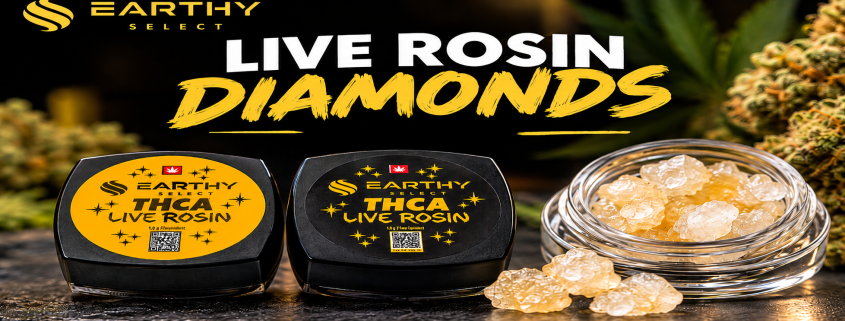
Summary: Cannabis diamonds are highly refined crystalline concentrates valued for their distinctive appearance and concentrated THCa content. Their production involves extraction, refinement, and controlled crystallization. Sauce adds a terpene-rich component that may influence flavor and aroma. This guide explains how diamonds form, how they differ from live rosin, what quality factors matter, and why careful testing and responsible product evaluation remain important.
Cannabis concentrates come in many forms, each with its own texture, composition, and production method. THCa diamonds stand out because manufacturers refine cannabinoids into crystalline structures that resemble small, clear gemstones. Products described online with phrases such as THC diamonds in sauce and live rosin diamonds often refer to concentrate formats that combine or highlight highly concentrated cannabinoids with terpene-rich components. Understanding how these products develop helps readers distinguish appearance from actual quality.
What Are Cannabis Diamonds?
Cannabis diamonds refer to crystalline forms of cannabis concentrates, which mainly consist of the acidic precursor of Delta-9 THC, called THCa. The intoxicating effect from THCa is not the same as that of activated Delta-9 THC. When exposed to heat, THCa is converted to Delta-9 THC.
To make diamonds, manufacturers will first harvest the cannabinoids from “appropriate” cannabis or hemp. The extract that is left after this contains the cannabinoids, terpenes, and other compounds found within the plants. Further purification removes unwanted impurities and enriches desired cannabinoid content.
The pure product can be crystallized under controlled conditions. Crystals start to get the translucent or glass-like quality in them, and as it goes on, it’s called the diamond quality.
How Does the Diamond-Making Process Work?
Selecting Suitable Plant Material
The process begins with a plant that has the right ratio of cannabinoids. Maintaining consistency on the starting material is important to the producers, as the original make and proportion of cannabinoids and terpenes impacts the final concentrate.
The quality of the extracts depends on cultivation methods, the timing of the harvesting, and the type of storage and handling methods. Good handling of the fresh material provides the processor with a better base stock for which to make consistent concentrates.
Extracting Cannabinoids
The next step involves getting cannabinoids or other compounds free of the plant material. Commercial processors can employ other extraction methods depending on the formulation, equipment, and regulatory regulations.
The process of extraction yields a more concentrated form of mixture, rather than finished diamonds. The material needs to be refined before it can be crystallized.
Refining the Extract
The refinement takes out the unwanted compounds from the plant and may actually help to concentrate the THCa. The main reason is that producers pay close attention to the composition of the material to avoid impurities or uneven distribution of chemicals influencing the crystal production.
This is also the stage that demonstrates the importance of laboratory testing. Testing helps to give information on how potent a cannabis product is and could indicate contaminants that the quality-control team should attend to.
Encouraging Crystallization
The controlled conditions promote the formation of a crystalline structure of the THCa molecules once the extract is in a proper composition. Crystal growth is affected by all such factors as temperature, pressure, concentration, solvent action, and time.
The process doesn’t make a crystal, the whole thing doesn’t drop out of the blue. With the controlled crystallization approach, special care has to be taken for monitoring and processing. Processors cleave and treat the crystals depending on the desired end product that is to be built.
Where Does Sauce Fit into the Process?
In some products, you may see a terpene-rich concentrate attached to the crystalline THCa; this is called ‘Sauce.’ Otherwise, diamonds stress crystalline THCa, while sauce brings flavor characteristics while potentially including different cannabinoids.
The texture and composition provide a distinct contrast with each other. There are also hard, crystalline diamonds to go with a fluid and soft concentrate. The sauce can also impart individual strain-specific aroma and flavor qualities.
Based on the raw resin along with its terpenes and minor cannabinoids, Earthy Select THCa Diamonds consist of a concentrated delivery of the THCa molecule. When combining both crystalline cannabinoids with terpene-rich extract concentrates, this combination can illustrate how they might complement each other in a compounded formulation.
How Does Live Rosin Differ from Diamonds?
Live rosin is produced following a different philosophy. Producers use a solventless process to extract cannabis’ trichome or resin and preserve the plant’s original features, creating live rosin from fresh or fresh-frozen cannabis.
Earthy Select says the THCa Live Rosin is made from fresh or fresh-frozen cannabis, and that they have developed a concentration method that will make sure their concentrate preserves the flavor of cannabis trichomes without harming them.
However, diamond pays special attention to crystalline THCa levels, while live rosin shines on the richness of the expression of cannabinoids and terpenes produced on the plant. None of the formats are guaranteed to be the better choice. Both products are just different ways of extraction and refinement.
Some online searches use the phrase live rosin diamonds, although product terminology varies among producers. Consumers benefit from checking the actual ingredients, cannabinoid profile, extraction method, and laboratory documentation instead of relying only on product names.
What Makes Cannabis Diamonds Stand Out?
Distinctive Appearance
Many concentrates are easily distinguished from diamonds by their crystal structure. Formations that are clear or translucent will give a visual indication of crystallization, but solely by this appearance such quality cannot be determined.
High Cannabinoid Concentration
Concentrated THCa is generally found in a large amount in diamonds. Care and accurate labelling are particularly critical in this concentration.
Versatile Formulations
Diamond can be sold in isolation or be mixed with a sauce that contains a terpene-rich concentrate by a manufacturer. They come in various formulations, having varying textures and aromas.
Detailed Product Testing
Appearance is not a good indicator of concentrate quality for laboratory tests. Various tests can provide information on potency, abundance of various cannabinoids, and screening of toxic contaminants.
Whether it be for increased transparency regarding product lab reports or laboratory testing, Earthy Select is making its concentrate line more open with the support.
Conclusion
Cannabis diamonds stand apart through their crystalline structure, concentrated THCa profile, and distinctive production process. Extraction, refinement, and controlled crystallization work together to create the characteristic diamond structure, while sauce may add terpenes and other cannabinoids to the finished formulation.
Readers researching phrases such as THC diamonds in sauce should look beyond terminology and consider laboratory reports, cannabinoid content, ingredients, production methods, and applicable regulations. Earthy Select provides educational resources and lab-report information for readers exploring its THCa concentrate lineup.
For additional information about THCa diamonds, live rosin, and other concentrates, explore the educational resources from Earthy Select and review product information carefully before making any decisions.
Disclaimer: This content is intended for educational and informational purposes only. Cannabis and hemp-derived products may be subject to federal, state, and local laws that vary by location. Product effects and availability may differ, and readers should review applicable regulations and consult a qualified professional for guidance. Must be 21+ where required by law.
Frequently Asked Questions
- What are cannabis diamonds?
Cannabis Diamonds are highly concentrated crystalline extracts of mainly THCa. They are manufactured by extracting, refining, and controlled crystallization.
- What is the sauce found with some cannabis diamonds?
Sauce” is typically a terpene-enriched concentrate that can be added to THCa crystals. Contains aromatic components and may also contain other types of cannabinoids.
- Are diamonds and live rosin made the same way?
No, diamonds generally go through the process of extraction, refinement & crystallization, live rosin uses fresh cannabis or fresh-frozen cannabis, and no solvent.
- Why does laboratory testing matter for cannabis concentrates?
Laboratory tests can give information on the type and levels of cannabinoids in edibles and can be used to detect certain contaminants. It provides consumers with more information than their appearance would.

Summary: Genetics, growing conditions, harvest time, curing, storage, sampling, and testing methods can cause the various batches of Oreoz to exhibit different amounts of THC and terpenes. Consumers can use this knowledge to better understand what the various lab results mean for each batch and to help them compare products as they peruse their options for purchasing cannabinoids, such as THCa flower.
A strain name can create the expectation that every product will deliver the same potency and aroma. But cannabis chemistry is not that consistent. If one Oreoz strain product shows a high THC percentage while another has noticeably different numbers, it does not automatically mean one is mislabeled or inferior. Several biological, agricultural, processing, and testing factors can influence the final laboratory results—and understanding them makes batch-to-batch comparisons much easier.
Genetics Matter
Sometimes, even cannabis plants with the same cultivar background exhibit phenotypic variation. The plants can have similar genetics, but different chemical qualities.
Plants may contain different quantities of both the total amount of THC and individual terpenes due to genetic expression. As a result, Oreoz strain would not be used to refer to a specific strain of Cannabis, rather it would refer to the genetic lineage.
The fact that the specific batch and laboratory report of the strain is more valuable than the name of the strain.
Growing Conditions Change Chemistry
The chemical compounds in the cannabis plant exist in a variety of ways as the plant grows. Cannabinoid and terpene production may be influenced by environmental stress, nutrients, irrigation, humidity, temperature and light.
Also, one should consider harvest timing. Harvested flowers can be polluted at varying percentages of maturity and may have other concentrations of cannabinoids as well as aromatic compounds.
Growers that adopt the same growing technique may still see variations within an individual production cycle because of the inherent variability in the plants themselves.
Harvest Timing Matters
The levels of cannabinoid and terpene may not stay constant during flowering. Its chemical characteristic changes and evolves as the plant grows. This means that the quality of the final product (dried flower) can be affected by either picking the flower too early (when it’s most mature), or too late (late in the flowering process).
That is, two batches of Oreoz strain, originating from the same genetic strains, can yield different laboratory results since they may have been harvested under varying conditions or at different stages of maturity.
Curing Affects Terpenes
Not only is the amount of THC altered by post harvest actions, but the type of compound. Terpenes are volatile so they are very vulnerable to environmental factors. The drying and curing are a slow change in moisture and chemical environment of the flower. Terpene loss can also be caused by too much heat, too much air or by poor drying conditions.
This means that two batches can produce the same ratio of cannabinoids and yet distinctly different tastes and smells due to the differing terpene amounts or the proportions of those amounts.
Use a Sample for the Testing
A commercial batch of flowers is not usually tested in the laboratory for each individual flower in the batch. Rather, a representative sample is tested as per the lab’s protocols.
Cannabis flowers naturally vary in chemical composition. Measurable differences in THC content have been recorded between plants and even within the same plant or between different parts of the same plant produced from the same “batch.
As such, any results on a certificate of analysis (COA) should be considered as laboratory results for a particular batch of flowers and not as a true chemical amount for each flower.
Terpene Ratios Matter
Looking only at total terpene content can miss an important part of the picture. Two batches can have similar total terpene percentages while containing different concentrations of individual compounds.
For example, the compounds that vary are caryophyllene, limonene, myrcene or humulene and may help to account for the different aromas and sensory properties.
The terpene profile of the individual Oreoz strain product can therefore be provided by looking at the percentages of each component terpene of the profile when comparing competitive products.
Storage Can Change Results
The chemical composition of cannabis may also vary following test if the product is stored under poor conditions. Flower quality can be impacted by heat, light, oxygen and incorrect humidity, and over time degrades terpenes. This is especially true if there is a comparison between an older crop and a new crop.
Therefore, due to the nature of the product as well as the conditions of storage, supporting the original laboratory report should be taken into account.
Check the COA
If you’re looking for the best THCa flower online, it would be better to compare the different COAs for the batch than it would be to just take the strain names at face value or until the potencies are discussed.
When buying, consider:
- The total amount of THC and THCa.
- Individual cannabinoid results.
- Total terpene percentage.
- Individual terpene concentrations.
- Any number of batches or lots.
- Testing date.
- Product type.
- Available safety and contaminant testing.
The information provides that needed to determine exactly what was measured in the product being assessed.
Conclusion
Batch variation can also be normal due to the biology, cultivation, processing, testing and storage of cannabis. While consumers are generally advised to expect similar THC or terpene content for each strain available in a shop, it is important to research the particular batch sold for a strain and its product. A COA from a recent batch, as well as having a look at the individual terpenes, batch age, and looking at similar product types can help give a better idea of product quality.
Explore Earthy Select’s current product information and review available batch details to make a more informed cannabinoid purchase.
FAQs
1. Why can Oreoz THC levels differ between batches?
Reproducibly measuring differences may stem from genetics, growing conditions, harvest timing, environmental variation in plants, variance in sampling procedures, and analytical testing by the laboratory.
2. Can Oreoz terpene levels change after harvest?
Yes. Drying, curing, heat, light, oxygen and storage environment can all impact terpenes.
3. Does the Oreoz strain name guarantee a specific THC percentage?
No. A particular brand of product does not make a particular strain.
4. What should I look for in an Oreoz COA?
The batch number, testing date, THC/THCA results, total-amount of Terpenes, individual Terpene concentrations and the available safety testing should all be checked.
5. Is a higher THC percentage always better?
Not necessarily. The chemical profile of the product is made up of only one component, THC. The freshness of products, product quality and terpene composition also need to be taken into account.
Summary: THCa pre-roll choice depends on more than just cannabinoid content; the composition of the terpenes present also has to be understood. A terpene profile is a way to represent the characteristic smells and tastes of a cannabis strain. Therefore, these profiles are of great assistance when deciding which type of THCa pre-roll best suits one’s flavor preferences.
What makes two THCa pre-rolls with similar cannabinoid levels taste and smell completely different?
The answer often lies in their terpene profiles.
One may offer bright citrus and fruity notes, while another delivers earthy, creamy, spicy, or gassy aromas. For consumers comparing THCa pre-rolls, understanding these profiles provides valuable insight beyond potency. Earthy Select’s full-gram THCa Flower Pre-Rolls feature natural cannabis terpenes and 20%–30% total cannabinoids across eight distinct strains, each offering its own aroma, flavor, and character.
What Is a Terpene Profile?
Terpenes are naturally occurring aromatic compounds that are present in many plants, such as cannabis. They can play a role in determining differences in smell and taste among cannabis strains.
A terpene profile is the mix and relative amounts of these compounds found in a specific flower. The profile will help consumers distinguish each pre-roll they buy from others, helping them understand what they are likely to favor.
This is important because a product with a similar amount of THCa can have vastly different sensory qualities. Potency is just one part of the story with the product; aroma, flavor, genetics, cultivation, freshness, and terpene expression also play their part in the character.
Using Flavor Profiles to Compare THCa Pre-Rolls
A good way to compare terpene profiles is by the flavors and aromas that each strain provides.
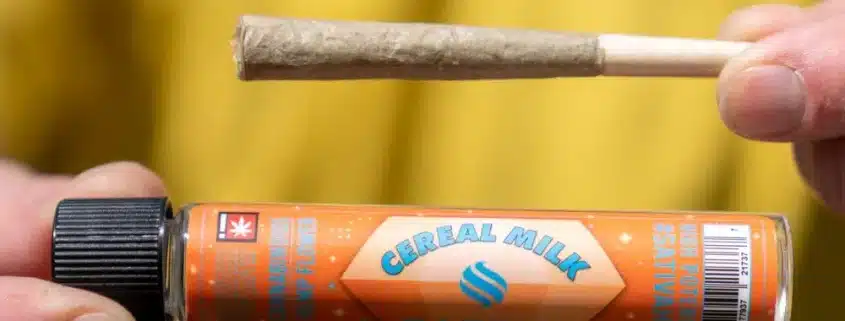
The wide variety seen in Earthy Select’s current selection is a testament to the spectrum of these differences. Apple Fritter has a sweet and earthy character with some fruit, cheese, and fresh baked-goods flavor. Apple Tart is fruity, creamy, candy, and berry; Cereal Milk is sweet and creamy, earthy and piney. Fruity and spicy, Hawaiian 5.0 has been described as having grape and tropical fruit notes.
This allows consumers to easily compare two options – first by flavor family, and then by strain.
Why Is Potency Not the Only Factor?
One of the most common errors is selecting a pre-roll with the highest cannabinoid concentration. The cannabinoid content is a key factor, but it doesn’t capture the flower’s full sensory profile.
For instance, a user who enjoys fruitier, berry, or tropical notes may prefer to stick to a lower percentage of cannabis that has more of those notes rather than earthier or gassy.
The THCa Flower Pre-Rolls typically range from 20% to 30% total cannabinoids, making terpene expression a strong indicator of a product’s unique characteristics when cannabinoid levels are similar.
How to Read a THCa Pre-Roll Before Buying?
A comparison process is useful when there are several checkpoints:
- Review the strain: Find out the strain name and what is known about it that you might like or dislike.
- Check the terpene: Look for descriptors such as profile for fruity, citrusy, earthy, creamy, spicy, piney, or gassy notes.
- Check cannabinoid data: See the information that the lab provides, not what is being sold in marketing.
- Freshness and packaging: Consider freshness and packaging; proper packaging helps preserve the flower’s aroma and quality.
- Compare the whole product: Check terpene character, cannabinoid content, strain genetics, cultivation practices, testing and packaging all together.
What Terpene Profiles Mean for Wholesale Buyers?
Terpene detail will also be useful when retailers are buying THCa pre rolls wholesale. A wide range of terpene profiles allows a retailer to offer a variety of products to customers based on their flavor and aroma preferences, rather than serving only a specific segment of customers.
Earthy Select’s THCa pre-rolls wholesale come in both bulk and packaged, and strains are cultivated for bud shape, terpene content, and effects. Its pre-rolls, available in both Indica and Sativa strains, are wholesale and contain 1 gram of THCa flower, subject to current stock.
For retailers, this is a terpene detail that can become more of a merchandising detail.
Finding the Best THCa Pre-Roll for Your Preference
The best THCa pre-roll is subjective, as everyone has their own taste. One might emphasize the tropical fruit and berry characters, another the vanilla, earth, pine, or gas.
The most effective way to do this is to compare products systematically. Use the terpene profile; then check the cannabinoid profile, laboratory testing, strain characteristics and product quality. This makes for a more informed purchase than just considering the strain name or its strength.
Conclusion
Terpene profiles are a valuable aid for consumers in differentiating between THCa pre-rolls that may superficially appear similar. This allows shoppers to find the product they are searching for by considering aroma, flavor, genetics, cannabis profile, lab results, and freshness.
Also, Earthy Select’s strains are worth paying attention to. You can figure out which ones you like just by the smells they emit when you’re smoking them.
Explore Earthy Select’s THCa Flower Pre-Rolls to compare its current strain selection and terpene-rich profiles, and review the available product and laboratory information before purchasing.
FAQs
1. What role do terpenes play in the quality of THCa pre-rollers?
Terpenes are essential components in the scent, flavor and distinctive traits of floral cannabis products for the consumer, allowing for the identification of different types of plants from a distance.
2. Is a THCa concentration level that is higher automatically the product of choice?
Not a good sign to assume that a higher concentration of THCa is the indicator of better quality of a pre-roll. While content levels of cannabinoids are one aspect, several other elements like terpenes, cannabis genetics, freshness, cultivation methods, lab analysis, and individual consumer preferences are equally important.
3. How can I compare two THCa pre-rolls?
Compare their strain genetics, terpene descriptions, cannabinoid content, laboratory results, cultivation information, packaging, and freshness.
4. What’s the description of the terpene profiles in the selection of Earthy pre-rolls?
Among others, fruity, tart, citrus-like, and tropical terpene profiles, earthy, creamy, spicy, piney, vanilla, minty, and gassy flavors. Earthy Select’s pre-rolls feature a wide variety of terpene profiles, from earthy aromas and vanilla flavors to minty notes and gassy characteristics.
5. Are Earthy Select THCa pre-rolls laboratory tested?
Earthy Select informs that the company’s THCa is tested at third-party laboratories authorized or certified for safety and strength. Consumers can refer to the batch-specific laboratory results if available.