
Understanding THCa Legality in Alabama
Key Takeaways:
- THCa’s legal standing in Alabama appears uncertain due to its non-psychoactive nature prior to heating, though new state regulations effective July 1, 2025, may impose significant limitations on hemp-derived THC products.
- Under the 2018 Farm Bill, THCa products with less than 0.3% Delta-9 THC are generally permitted at the federal level, yet Alabama’s enforcement and recent legislative changes could present potential challenges for consumers seeking compliance.
- Selecting trusted retailers with clear lab testing and proper licensing is often regarded as essential for navigating THCa legality in Alabama with confidence.
The legal status of THCa in Alabama remains a nuanced and developing matter for both consumers and businesses alike. In a state known for stringent cannabis regulations, understanding THCa’s position within the legal framework is essential for those interested in buying or selling cannabis products. THCa, or tetrahydrocannabinolic acid, is typically considered a non-psychoactive cannabinoid present in raw hemp and cannabis, which may convert to Delta-9 THC when exposed to heat—a distinction that often complicates its legal interpretation.
At Earthy Select, we place a strong emphasis on compliance and clarity, offering lab-tested THCa products designed to align with federal guidelines. Our THCa Flower is grown with care and subjected to thorough testing, aiming to provide safety and reliability to our customers.
While the 2018 Farm Bill allows hemp-derived products containing no more than 0.3% Delta-9 THC at the federal level, Alabama has recently implemented more restrictive measures through legislation effective July 1, 2025, which could impact the sale and possession of hemp-derived THC products, including THCa [1]. Thus, Alabamians are wise to stay updated on these evolving regulations as the legal environment continues to shift. At Earthy Select, we are committed to supporting you in accessing compliant hemp products while keeping a close watch on state and federal developments.
What Makes THCa Different From THC Under Alabama Law?
THCa, known as tetrahydrocannabinolic acid, is generally understood as the non-psychoactive precursor to Delta-9 THC found in unheated cannabis plants. It may transform into psychoactive THC through a process called decarboxylation, which occurs with heat exposure. This distinction often places THCa in a somewhat ambiguous legal position in Alabama.
Alabama’s regulations align with the 2018 Farm Bill, which permits hemp containing no more than 0.3% Delta-9 THC. Given that THCa is not Delta-9 THC until heated, products high in THCa technically fall within federal compliance. However, with new state regulations effective July 1, 2025, imposing stricter oversight on hemp-derived THC products, Alabama has yet to provide explicit guidance on THCa specifically. This ambiguity could allow for varying interpretations by law enforcement, particularly if the potential Delta-9 THC content after decarboxylation exceeds allowable limits [2].
Thus, while THCa is chemically distinct and may often be considered within federal hemp guidelines, its standing in Alabama appears uncertain and could carry potential risks under the state’s evolving legal framework.
Learn more about THCa vs Delta-9 THC.
Defining Hemp vs. Marijuana in Alabama Statutes
Alabama law, following the 2018 Farm Bill, defines hemp as cannabis with no more than 0.3% Delta-9 THC by dry weight. Anything above that? It’s considered marijuana—and possession, sale, or cultivation carries heavy criminal penalties in the state [1].
THCa’s Legal Gray Area Before Decarboxylation
The uncertainty surrounding THCa often arises from its non-psychoactive nature, which may convert to Delta-9 THC upon heating. Alabama statutes do not directly address THCa, leading to potential ambiguity. If a product tests at or below 0.3% Delta-9 THC at the point of sale but could exceed this limit after heating, its legal status might depend on interpretation and law enforcement discretion [2].
Delta-9 THC Limits and How They Apply to THCa Products
Under existing federal and Alabama guidelines, Delta-9 THC limits are typically assessed pre-decarboxylation at the time of sale. However, heating THCa-rich hemp might result in Delta-9 THC levels surpassing the 0.3% threshold during use, which could potentially pose legal risks for consumers and businesses. With new regulations effective July 1, 2025, Alabama appears to be tightening oversight of hemp-derived THC, which may further complicate THCa’s status [3]. Until more definitive laws address this scientific nuance, exercising caution is often suggested for those using or selling THCa products in the state.
Current Legal Status of THCa Flower in Alabama
THCa flower resides in a legal gray area within Alabama. While recreational marijuana is generally prohibited, medical cannabis is allowed under the 2021 Compassion Act, yet access remains limited due to ongoing licensing delays as of 2025 [4]. THCa, as a non-psychoactive precursor to Delta-9 THC, is not explicitly mentioned in Alabama law. However, with stricter hemp regulations introduced under House Bill 445 (HB445), effective July 1, 2025, the sale and possession of hemp-derived THC products, including THCa flower, may face notable restrictions. Authorities might interpret such products as non-compliant if there is suspicion of intent to convert to Delta-9 THC [2][5].
The 2018 Farm Bill and How It Shapes Alabama Regulations
At the federal level, the 2018 Farm Bill legalized hemp and its derivatives with no more than 0.3% Delta-9 THC. Since raw THCa flower is not Delta-9 THC until heated, it might often be classified as legal hemp under federal guidelines. However, Alabama is not required to fully adopt federal standards and has introduced more stringent state laws through HB445, effective July 1, 2025, which could impose tighter controls on hemp-derived THC products. While THCa flower might still be available, its legal status in Alabama may carry uncertainty, and possession could involve risks due to varying enforcement and ongoing regulatory changes [2][3].
Smokable Hemp Products Allowed Until July 1, 2025
Previously, Alabama permitted the sale and use of smokable hemp products, including THCa flower, under federal guidelines. However, as of July 1, 2025, new regulations under HB445 introduce significant limitations on hemp-derived THC products, potentially restricting many smokable hemp items. Thus, consumers are advised to navigate a more constrained legal landscape, ensuring any purchased products align with both state and federal standards, particularly the 0.3% Delta-9 THC limit before decarboxylation [2][5].

Consumer Tips for Staying Federally and State Compliant
To remain compliant in Alabama, it is often recommended to purchase from reputable retailers who provide third-party lab reports (COAs) verifying cannabinoid levels and checking for contaminants. Keeping hemp products in their original, clearly labeled packaging may help demonstrate compliance. With new restrictions effective since July 1, 2025, enforcement might vary across jurisdictions, so caution is generally advised—particularly in public settings where hemp and marijuana could be mistaken for one another.
As the legal framework for THCa and hemp products continues to evolve, staying informed about state and local regulations is typically considered essential. For the time being, choosing tested products, reviewing lab results, and adhering to guidelines might assist in navigating the use of hemp products responsibly within this changing environment.
Reading Labels and COAs Before You Buy
Navigating the THCa landscape in Alabama requires careful attention, especially for those exploring this space with an intent to comply with regulations. Reviewing labels and Certificates of Analysis (COAs) is a necessary step. A COA from a credible third-party lab typically indicates the product’s cannabinoid profile, confirming THCa content and ensuring Delta-9 THC levels remain within the federal 0.3% threshold on a dry weight basis, as outlined by the 2018 Farm Bill [3]. It may also screen for contaminants such as pesticides, heavy metals, or microbial risks that could pose health concerns. Therefore, if a product lacks a COA or the information appears unclear, it might be prudent to reconsider the purchase. This approach prioritizes verification over assumption.
Age Restrictions and ID Requirements
Age restrictions and ID requirements are generally upheld in Alabama, even for hemp-derived products. While THCa’s legal status and age restrictions may remain ambiguous, many retailers tend to follow federal guidelines, requiring buyers to be at least 21 years old. It is common to present a valid government-issued ID when making a purchase, whether in-store or online. Some vendors might scan IDs for verification purposes, which is typically a standard compliance measure. Access by minors is not only against regulations but also a liability that reputable businesses are unlikely to overlook [2].
Possession Limits
Possession limits for THCa are not explicitly outlined in Alabama law, as it often falls under the broader category of hemp-derived products. However, if a product’s Delta-9 THC content exceeds 0.3% after decarboxylation—or if law enforcement mistakes it for marijuana due to appearance or odor—there could be potential consequences under Alabama’s stringent marijuana laws, which may include fines or incarceration for amounts exceeding personal use thresholds (often around 2 ounces for marijuana). It might be advisable to keep quantities modest for personal use, retain products in original packaging with clear labeling, and have a COA accessible if questioned. This approach is often suggested in a state where the distinction between hemp and marijuana can sometimes be unclear [3].
Choosing Retailers Who Prioritize Transparency
In Alabama’s intricate cannabis market, transparency from retailers is often regarded as vital. Reputable sellers are expected to provide third-party lab results from accredited facilities, enabling verification of THC content and purity. It may be helpful to look for information on sourcing, such as whether products originate from farms adhering to federal laws like the US Farm Bill. If a retailer does not offer detailed test results or seems evasive about their products, this could be seen as a cautionary signal. In a state with strict and changing regulations, opting for retailers who are forthcoming about their processes might support safety and compliance.
Retailer Responsibilities: Licensing, Testing, and Labeling
In Alabama, retailers offering THCa products are generally expected to comply with rigorous legal standards. Any business handling hemp-derived products, including THCa, is typically required to secure appropriate licenses to operate within legal bounds. This practice often helps ensure legitimacy and provides protection for both businesses and their customers.
Accurate product testing is commonly mandated under Alabama law, often requiring lab analysis to confirm that THCa products do not exceed 0.3% Delta-9 THC by dry weight. Failing to conduct testing or providing inconsistent results might lead to penalties, product recalls, or loss of licensing. Third-party lab results are expected to be current and reliable [1].
Clear labeling is also frequently emphasized. Every THCa product is typically required to list cannabinoid content, batch details, and origin. Labels might also include advisories about potential psychoactive effects if heated, even though THCa itself is generally non-intoxicating until decarboxylated. Proper labeling not only aligns with legal requirements but also helps consumers make informed decisions about their purchases.
These standards—licensing, testing, and labeling—are often seen as crucial for maintaining safety and compliance in Alabama’s hemp market. For retailers, adhering to these measures is typically essential; for consumers, it may foster trust and transparency in the products they choose.
Obtaining and Maintaining Proper Licenses
In Alabama, those involved with hemp-derived products like THCa are generally required to be licensed through the Alabama Department of Agriculture and Industries (ADAI). These licenses often involve background checks, regular lab testing for THC content, and adherence to federal and state regulations. Maintaining a license might require consistent reporting and inspections to ensure products stay within the legal THC limit of 0.3% Delta-9 THC. For consumers, purchasing from licensed and transparent sellers is often considered a prudent way to ensure compliance as regulations become more stringent in Alabama [3].
Mandatory Lab Testing for Potency and Purity
For THCa products, particularly THCa flower, lab testing is often viewed as a critical requirement. Potency testing typically confirms precise cannabinoid levels, such as THCa and THC, using methods like HPLC, ensuring the product aligns with its stated claims—a significant consideration in Alabama’s changing legal context. Purity testing is equally important, as cannabis may absorb contaminants like pesticides, heavy metals, and mold. Reputable labs often screen for these risks, aiming to ensure consumer safety. Mandatory lab testing is generally seen as a safeguard for buyers by verifying both the potency and safety of THCa products, offering reassurance in a market where quality and compliance can vary.
Clear Labeling to Meet State and Federal Standards
In Alabama’s THCa market, clear labeling is often considered essential for legal compliance. State and federal laws typically require hemp products to contain no more than 0.3% Delta-9 THC, whether it is THCa powder, flower, vapes, concentrates, or other products, and to display detailed cannabinoid content, batch numbers, and third-party lab results on packaging. This transparency might help protect sellers and buyers by making products verifiable if questioned by authorities. Accurate labeling is generally viewed as a means of building consumer confidence and ensuring safety, beyond simply meeting regulatory requirements [3].
Final Thoughts
Understanding the legal status of THCa in Alabama can be a complex endeavor. While federal guidelines may provide some allowances, Alabama’s stringent regulations, particularly with new laws effective July 1, 2025, suggest that consumers should proceed with caution. When considering THCa, prioritizing quality and compliance is often advised.
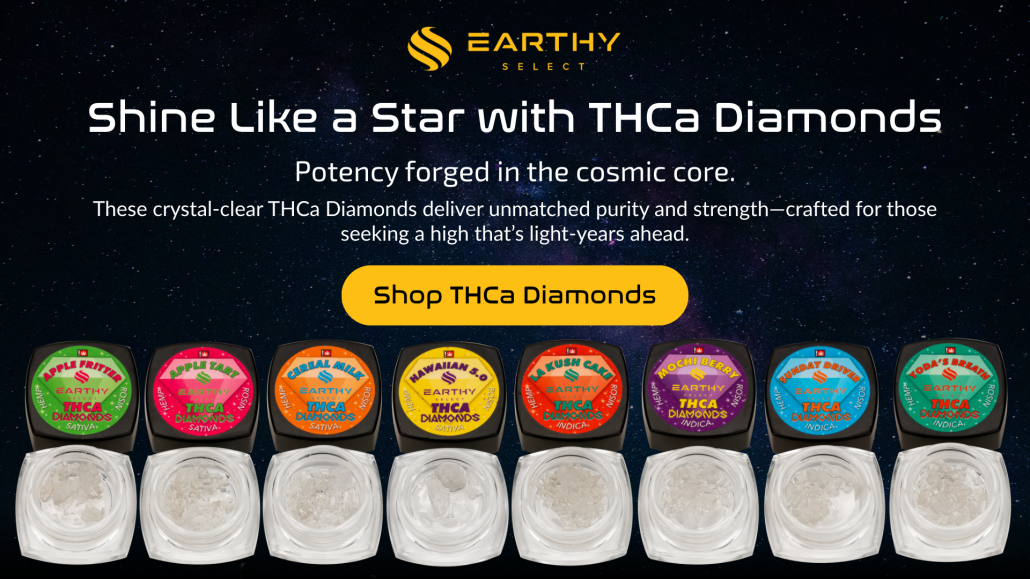
At Earthy Select, we aim to ensure our THCa Flower, THCa Hash, THCa Live Rosin, or THCa Diamonds adhere to high safety standards, with all products tested in accredited labs. Whether you’re looking for a mild or more pronounced experience, our “Select Your Adventure” approach is designed to give you control. As you explore THCa in Alabama, staying informed and choosing reliable brands like Earthy Select will help align your choices with your needs.
Read more:
Frequently Asked Questions About Whether THCa Is Legal in Alabama
Can you possess THCa flower in Alabama?
THCa flower derived from federally compliant hemp (not over 0.3% Delta-9 THC) is generally permitted under federal law, though Alabama’s new regulations, effective July 1, 2025, appear to impose stricter controls on hemp-derived THC products. Enforcement might vary, so if you possess THCa, it may be prudent to ensure it is third-party tested (like Earthy Select’s) and to keep lab reports accessible to demonstrate compliance [2].
Does Alabama follow federal laws regarding hemp and THCa?
Alabama typically aligns with federal hemp rules, permitting hemp-derived THCa with low Delta-9 THC under the 2018 Farm Bill. However, state officials have introduced more restrictive measures through HB445, effective July 1, 2025, suggesting that compliance and caution remain essential. Purchasing from reputable brands with tested products is often recommended [2][3].
Has Alabama proposed changes to THCa laws?
Alabama has enacted notable changes through HB445, effective July 1, 2025, which appears to impose strict regulations on hemp-derived THC products, including THCa. While THCa is not specifically targeted, broader hemp and cannabis policies are under discussion, and additional updates might occur. Staying informed about local regulations is generally advised [2][5].
Do local governments in Alabama have additional THCa regulations?
Some local governments in Alabama might enforce more stringent rules on hemp products, including THCa. What may be allowed in one jurisdiction could be restricted in another, so checking local ordinances before purchasing or possessing THCa is suggested.
Are there age restrictions for purchasing THCa in Alabama?
Although state laws do not explicitly set an age minimum for THCa, most trusted sellers (including Earthy Select) generally require buyers to be at least 21 years old. It is typical to show ID when purchasing THCa products [2][6].
Is it legal to travel with THCa in Alabama?
Traveling with THCa flower in Alabama might carry risks, even if the product aligns with legal standards. Law enforcement may not always distinguish it from prohibited marijuana. Carrying lab reports, purchase receipts, and exercising caution when traveling with any hemp product is often recommended.
Medical Disclaimer / Legal Disclaimer – Information is provided for educational purposes only. It does not, and is not intended to, constitute legal advice or medical advice. We strive to be accurate and up-to-date, but the legality of cannabinoids and the science of cannabis are continually evolving. The author is neither a legal professional nor a medical expert. Before buying or using any products, you should consult with your local authorities and medical providers.
References:
- https://en.wikipedia.org/wiki/Cannabis_in_Alabama
- https://www.wsfa.com/2025/06/11/alabama-ags-office-clarifies-thc-law-taking-effect-july/
- https://www.congress.gov/bill/115th-congress/house-bill/2
- https://gorillagrowtent.com/blogs/news/is-weed-legal-in-alabama
- https://www.waltonlaw.com/alabama-hemp-law-class-c-felony/
- https://www.mpp.org/policy/federal/delta-8/what-are-state-regulators-doing/

