
What Are Common Contaminants Found in Hemp-Derived Vape Products?
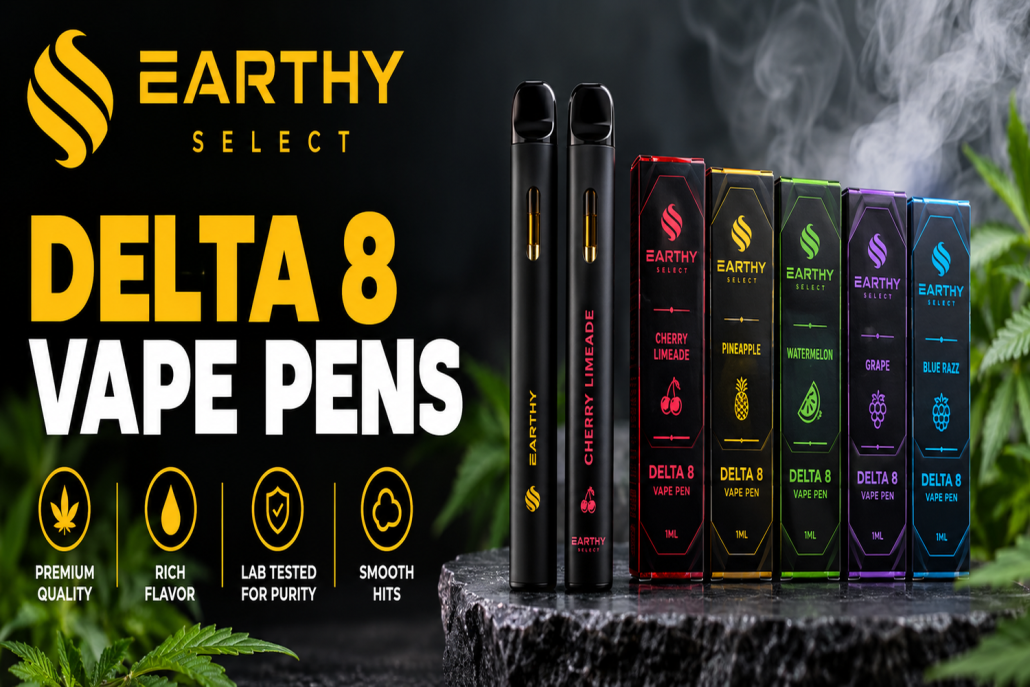
Summary: Hemp vape products may be contaminated during the manufacturing process of growing, extracting, processing, or during storage. The main concerns are pesticides, heavy metals, residual solvents, microbial impurities, and other undesirable chemical impurities. With knowledge of these risks and specific independent lab testing, consumers can make informed decisions about what hemp-derived vape products to choose.
Vaping a hemp-derived product is often a choice based on convenience and product consistency, but the label does not tell the whole story. Contaminants may enter a vape product during cultivation, extraction, processing, or even through its hardware. For consumers exploring delta 8 vape pens, the concern is not simply how much cannabinoid a product contains, but what else may be present. Understanding common contaminants can make product evaluation much more informed.
Pesticides
Hemp can take up chemicals from soil sources and chemicals from pesticides used during growing can be retained in the plant. Agro-chemicals can be used to treat crops, but the lack of control may result in unwanted residues being left on the crop.
During extraction, some compounds can concentrate with the cannabinoids as well. As seen in agricultural practices and laboratory testing, the study of cannabis vaping products has already found pesticide residues in some novel cannabis products.
Consumers would be better off researching products that have been independently lab-tested rather than just what they’re marketing on delta 8 vape pens.
Heavy Metals
The soil that the plant grows in, farming supplies, processing equipment or vaping devices can be contaminated and cause the plant to become contaminated, introducing heavy metals into hemp products.
The potentially problematic metals are lead, cadmium, nickel, chromium as well as others. Some research also indicates that certain conditions allow metals to transfer from parts of the vape device into the aerosol or liquid.
This indicates that product quality is more than just the hemp extract alone. Other factors can include the type of cartridge, heating element, or components that a user may inhale.
Residual Solvents
There are chemicals involved in some of the processes that are used to extract the cannabinoids from the plant matter that’s used in hemp. These are substances which should be removed by a proper extraction process; otherwise they might be present in the final product if the process is not carried out properly.
The nature of the residual solvent or nature and quantity may differ depending on the process used for the extraction and purification. This is why it is crucial to undergo laboratory testing as a quality control measure.
When evaluating different delta 8 vape pen pesticides, consumers should look for only the potency levels for cannabinoids, not residual-solvent levels as well.
Microbial Contaminants
Bacteria, fungi, and other microorganisms are potential sources of contamination in hemp cultivation, harvesting, processing, and storage.
Inadequate environmental controls and/or improper storage may increase the risk of contamination. While there may be some microorganisms that are reduced during the extraction and processing, sufficient testing is vital to quality assurance.
When purchasing concentrated products, such as hemp products listed as rosin diamonds for sale, buyers should also inquire about the manufacturer microbial and contaminant testing.
Chemical By-Products
Commercial delta-8 must be taken into consideration due to the fact that various other cannabinoids are chemically transformed to supply commercially offered delta-8 THC.
The FDA has expressed concerns regarding the chemicals used in these processes, and whether unwanted by-products of these reactions are present in the product once completed. This is particularly important when considering the delta 8 vape pens, as extensive lab testing becomes incredibly pertinent.
Results from a potency study only indicate the purity of the product and do not provide an indication of manufacturing-related impurities.
How to Check Product Quality
Tossing a glance at a vape cartridge alone doesn’t provide enough information for consumers to acknowledge its contents are contaminated. Does not in itself mean that a product is free from unwanted substances if it contains high levels of cannabinoids, strong flavour or clear oil.
Independent laboratory Certificate of Analysis (COA) can entail valuable data regarding a given product or batch. Depending on the product, consumers can look for testing covering:
- Cannabinoid potency
- Pesticides
- Heavy metals
- Residual solvents
- Microbial contaminants
- Mycotoxins
- Other relevant impurities
Ideally, tests should be current and product specific—matching the lot of the product offered.
Selecting High-Quality Delta-8 Vapes
From cultivation and extraction to manufacturing, storage and vape hardware, there are numerous ways that contamination can occur. What’s the good solution? Don’t evaluate a product based on its look or strength, take several factors into consideration. Rather, read the ingredient label and inform yourself about independent laboratory testing available for obtaining information about contaminants that are relevant.
Always ask the what and how questions before you buy delta 8 vape pens, and try to understand what the maker has tested and how they present the results. If you are looking for delta-8 vape pens, delta-9 gummies collection, delta-10 oil, and rosin diamonds for sale, explore our high-quality products made with pure, exacting standards and rigorous quality control, with easy shipping and returns.
Get 25% off rosin products with code THCaROSIN25. Don’t forget to subscribe to save up to 20% more.
FAQs
1. What are the contaminants present in hemp vapes?
Contaminants may be pesticides, heavy metals, residual solvents, microbial contaminants, unwanted additives and chemical byproducts.
2. Why should the vape products be tested for heavy metals?
Another potential source of heavy metals is through hemp cultivation or processing equipment and vape hardware. Testing enables them to be detected before a product reaches the consumers.
3. What is a COA?
A Certificate of Analysis is a laboratory report presenting the results of chemical tests for a particular product/batch. It may be able to supply information on potency and contaminants.
4. Can delta-8 products contain manufacturing by-products?
Potentially. Delta-8 THC could also be involved in extra chemical processes in its manufacturing, necessitating proper purification and testing.
5. Does clear vape oil mean it is safe?
No, a lack in appearance does not indicate the absence of pesticides, heavy metals, residual solvents, microorganisms or other contaminants. Laboratory testing yields more valuable information.

