
How Is Bulk THCA flower Selected for Different Preferences?
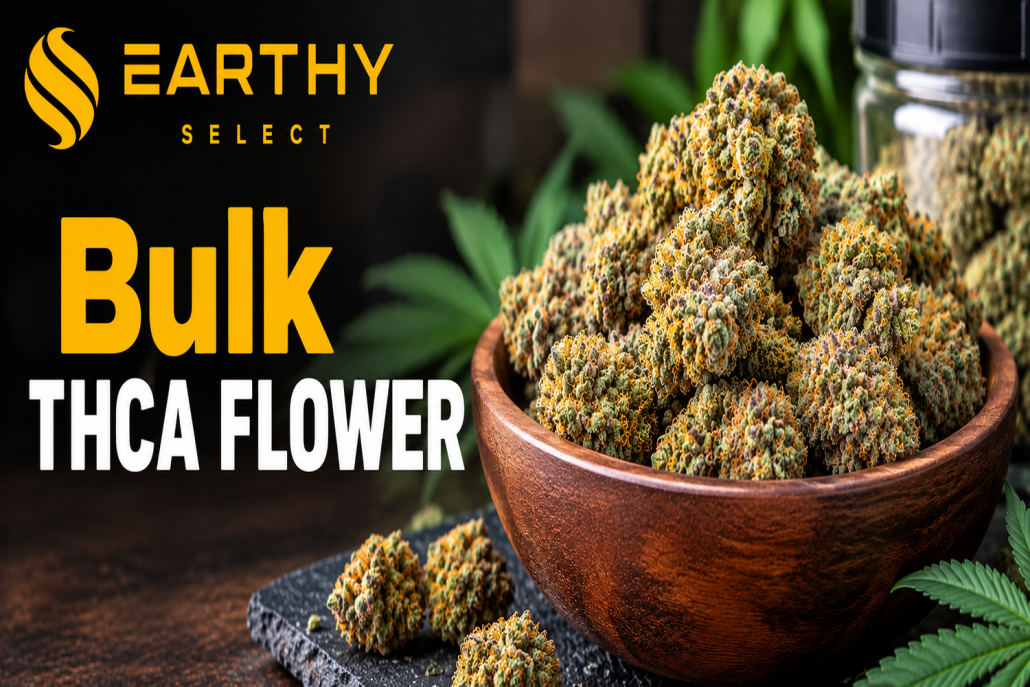
Summary: Selecting THCa flower involves more than comparing strain names or potency figures. Buyers often consider cannabinoid content, terpene composition, aroma, appearance, cultivation methods, consistency, and laboratory results. bulk THCa flower selection also requires attention to batch uniformity and product specifications. Understanding these factors helps buyers evaluate strains according to intended characteristics while maintaining quality, transparency, and regulatory awareness.
THCa flower selection starts with understanding what makes each cultivar different. A strain may show a distinctive cannabinoid profile, terpene composition, aroma, appearance, and growth pattern. Buyers who work with a THCa wholesale distributor also need consistent information about batches, testing, cultivation practices, and product specifications. These details provide a more useful basis for evaluating flowers than strain names alone.
THCA, or tetrahydrocannabinolic acid, occurs naturally in cannabis flowers. When exposed to heat, THCA undergoes decarboxylation and converts into delta-9 THC. USDA hemp-testing procedures account for this potential conversion when determining total THC for regulatory purposes.
Start With the Cannabinoid Profile
Examine More Than THCA Percentage
THCA concentration often receives significant attention when buyers compare flower. It’s not the only factor for selection. Laboratory testing reports can contain information regarding THCA, delta-9 THC, CBD, CBG, and more.
Every cultivar is known to have different amounts and varieties of cannabinoids. Studies of cannabis chemotypes have revealed significant differences in the amount of THCA and other cannabinoids among different cultivars. Buyers need to review the complete cannabinoid profile rather than focusing on a single number. A consistent testing method also helps buyers compare batches more accurately.
Understand Total THC Testing
A special consideration that needs to be given to THCA is that its chemistry will change when heat is applied. Because of the potential of hemp conversion of THCA to delta-9 THC, and to account for conversion to total THC on a dry weight basis. It is important when considering certificates of analysis. Securing the indicated quantity of THCA, delta-9 THC, or total available THC is crucial for buyers.
Evaluate Terpenes and Aroma
Look Beyond Strain Name
The smell and taste are typical properties of the cannabis flower, and part of the appeal of smoking is attributed to terpenes in the plant. It’s a great way to identify a strain, but it’s not completely characterizing the chemical makeup of a particular batch of that strain.
Some cultivars give a similar name, but these may have varying amounts of terpenoids in their final product due to genetics, growing conditions, ripening practices, curing, and storage. Citrus, floral, earthy, piney, or other aromatic aromas may be important to the buyers, and they might incorporate terpene data into their picking process.
Consider Batch Consistency
When looking at individual samples, commercial buyers will want much more than just a good-looking sample. They should have the same features repeated in orders. To determine if a bulk THCa flower is suitable for purchase, the buyer can check the previous certificates of analysis, lot information, moisture specifications, consistency in appearance, and information on cultivation available. These records will indicate a supplier’s ability to keep up production standards.
Assess Flower Appearance and Physical Quality
Examine Structure and Trim
Using visual inspection, useful information can be obtained about the quality of the flowers. Finishing and bud structure, color, density, trichome density, and the amount of handling are factors that are suitable for the buyer to review.
The quality of a chemical cannot be determined from its physical appearance. Despite its attractiveness, a flower must be properly documented in the laboratory and have adequate control during handling.
Review Moisture and Storage Conditions
Moisture management affects how flowers are handled during storage and transportation. Excessive moisture may create quality concerns, while overly dry material may lose desirable physical characteristics.
The storage conditions are also important. Proper temperature and humidity management, packaging, and adequate light protection ensure the maintenance of the product properties during distribution.
Review Laboratory Documentation
Use Certificates of Analysis
A certificate of analysis offers info concerning a tested batch from an objective laboratory. Reports may provide information on the concentration of cannabinoids and other analytical data, depending on the scope of the test.
Buyers should check the laboratory identity, testing date, lot or batch identification, cannabinoid results, and applicable testing information before making purchasing decisions.
Connect the Report to the Actual Batch
It is helpful if buyers can directly link labs with the item they are looking to purchase. This is achieved with the help of batch numbers, lot identifiers, and the test date.
A report on an unrelated batch doesn’t necessarily give an indication of the properties of the current inventory. When you need to keep things straight, you’ll require up-to-date documentation from the buyer.
Consider Cultivation and Processing Practices
The genetic make-up provides the blueprint of a flower’s attributes, with its environment also playing a role in forming cannabinoid and other phytochemical patterns. The final product results from growing, harvesting practices, drying, curing, trimming, and storage. As such, production information can be used by buyers, in addition to laboratory results, to assess production quality, as strain genetics are not the sole determinant of quality.
Match Strain Characteristics to the Intended Preference
Buyers may value other characteristics of the products differently. Some will take a lot more consideration into the concentration of the cannabinoids, and others will consider aromas, visual appearance, terpene makeup, or batch consistency to be more important.
A structured selection process helps narrow options:
- Define the desired cannabinoid profile.
- Review available terpene information.
- Examine physical characteristics.
- Check recent laboratory documentation.
- Confirm batch identification.
- Review storage and handling practices.
- Compare consistency across available lots.
- Verify applicable state and federal requirements.
It provides a user-friendly method that’s grounded upon neither strain names nor marketing claims.
Conclusion
Selecting a suitable flower strain requires a complete evaluation of chemistry, cultivation, physical characteristics, laboratory documentation, and batch consistency. Buyers evaluating bulk THCa flowers need to look beyond potency claims and consider how genetics, environment, processing, and storage influence the final product. Current testing documentation also helps buyers understand cannabinoid results and applicable hemp requirements.
For businesses evaluating wholesale flowers, careful documentation and transparent product information provide a stronger foundation for purchasing decisions. Earthy Select offers product information and laboratory reports to help buyers review available THC and THCa products with greater clarity. Buyers should also verify current laws and shipping restrictions in their jurisdiction before purchasing.
Frequently Asked Questions
What factors matter when selecting THCa flower?
Purchase factors to consider include the level of cannabinoids, terpene profile, scent, look, growing, moisture shifts, lab tests, testing batch consistency, and storage conditions.
Why does THCa percentage matter?
THCA is an acidic type of cannabinoid that occurs naturally in cannabis flowers. The decarboxylation process caused by heating converts THCA into delta-9 THC. To account for this possible conversion, the USDA tests for hemp.
Are strain names enough to evaluate THCa flower?
No. Strain names describe differences in chemistry or physical properties of a particular batch of a given strain; however, they don’t describe the actual chemistry or physical properties. Laboratory data and batch information will give further context.
Why should buyers review a certificate of analysis?
A laboratory report of a sample tested, including analysis laboratory data, is called a certificate of analysis. Users can view the various kinds of measurements that are done and stored in the product; it can have cannabinoid levels, testing data, batch number, and more.
Disclaimer: This article is intended for informational and educational purposes only and does not constitute medical, legal, or purchasing advice. THCa products may produce intoxicating effects, particularly when heated, and product composition, potency, and effects may vary by batch and individual. Laws and regulations governing THCa and hemp-derived products differ by country, state, province, and local jurisdiction.

